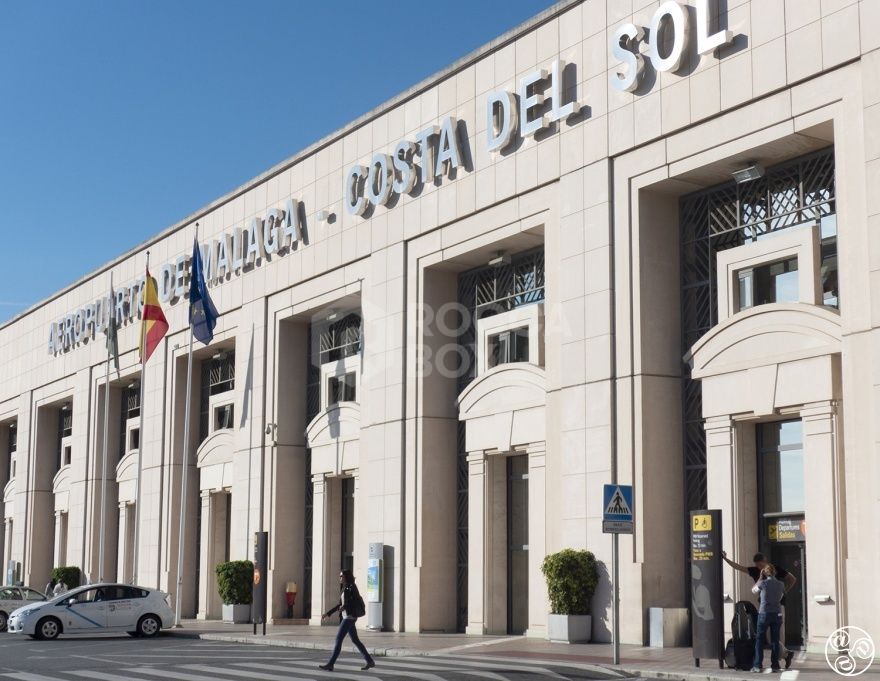
€1.5 Billion Málaga Airport Expansion: What It Means for the Costa del Sol Property Market
Málaga Airport is set for a major transformation. AENA has confirmed a €1.5 billion multi-year expansion that will significantly upgrade Spain’s busiest gateway to the Costa del Sol. The project aims to nearly double terminal space and increase capacity to 36 million passengers per year by 2031, helping reduce congestion during peak travel seasons.
For Marbella, Estepona and the wider Costa del Sol, improved airport infrastructure matters. Better connectivity often strengthens international demand, supports year-round living and reinforces the region’s appeal for lifestyle buyers and investors.
What the Expansion Includes
The expansion will increase Málaga Airport’s terminal space from approximately 80,000 m² to around 140,000 m². This added space will allow for more gates, larger boarding areas and improved passenger circulation.
Planned improvements include:
Expanded check-in and security zones
Enlarged passport control areas
More boarding gates and upgraded lounges
Increased retail and dining space
The airport’s new layout will also prepare for future growth beyond the 36 million passenger target as demand continues to rise.
A Smoother Passenger Experience
Anyone who travels through Málaga regularly knows how busy it can become at peak times. The expansion focuses heavily on easing bottlenecks, particularly around security screening and border control.
AENA also plans to support next-generation screening technology across major Spanish airports. Málaga’s new facilities will accommodate these upgrades, helping improve flow and reduce queue pressure during high-volume periods.
On the ground, the airport will also improve:
Parking capacity
Road access and circulation
Arrival and pick-up zones
These changes should reduce congestion around the airport during the busiest travel periods.
Timeline: When Will It Happen?
The programme was announced in 2025, with construction expected to begin in 2027 and finish by 2031. Importantly, AENA states the airport will remain fully operational throughout the works.
Key milestones include:
2025: Programme announced and technical studies launched
2027: Construction begins, including demolition of Terminal 1 and parts of piers B and C
2027–2031: Terminal expansion, increased security capacity, improved border control and upgraded commercial areas
2031: Completion, supporting up to 36 million passengers annually
Who Is Competing to Deliver the Project?
The design-and-consultancy tender for the terminal expansion closed on 25 September 2025. The base budget stands at €36.56 million, with a contract term of nine years covering design, development and commissioning.
Four joint ventures submitted proposals:
Viarium Ingeniería with Ayesa
Typsa with Ghesa and Blas Torres Gutiérrez
Cemosa with Sener and Fairbanks Arquitectos
Prointec with Ove Arup and Estudio Lamela
Why Málaga Airport Needs More Capacity
Málaga Airport handled almost 25 million passengers in 2024, and demand continues to rise. During busy periods, current facilities already operate close to capacity, which leads to queues at security and passport control.
This expansion reflects long-term confidence in the Costa del Sol as an international destination, not only for tourism but also for full-time living, second homes and long-term relocation.
Sustainability and Environmental Considerations
The project sits within AENA’s broader sustainability framework, including DORA III and its Climate Action Plan. Málaga Airport currently holds Airport Carbon Accreditation Level 3, which requires measurable emissions reductions and collaboration with third parties.
However, AENA has not yet published project-specific sustainability measures for the terminal expansion itself. While airport operations can reduce on-site emissions, aviation’s wider climate impact remains primarily linked to aircraft activity.
What This Means for Marbella and Costa del Sol Real Estate
Improved airport infrastructure often supports stronger demand in premium lifestyle destinations. For the Costa del Sol, this expansion could strengthen:
International buyer confidence
Year-round accessibility for residents
Rental and second-home demand
Long-term market resilience
For buyers considering Marbella, Estepona or surrounding areas, Málaga Airport’s expansion adds another layer of long-term value to the region’s appeal.
Looking Ahead
With works scheduled from 2027 to 2031, Málaga Airport is preparing for the next era of growth on the Costa del Sol. As connectivity improves and international travel demand continues, Marbella and its neighbouring areas remain well positioned as leading destinations for lifestyle-led property ownership.
If you would like advice on buying or investing on the Costa del Sol, our team would be pleased to guide you.